
Essential Hiking Gear for Safer Mountain Adventures (What Actually Matters on the Trail)

A good hiking setup isn’t about carrying the most gear, it’s about carrying the right gear 💫
Mountain weather changes fast. Trails often take longer than expected. Cell service disappears surprisingly quickly across many parts of the Canadian Rockies.
Even shorter hikes can become stressful when hikers are unprepared for changing conditions, delayed descents, or unexpected injuries.
That’s why reliable hiking essentials matter far more than most people realize.
The gear below focuses on practical hiking safety, emergency preparedness, and real-world trail functionality — not unnecessary extras or overly bulky setups.
Whether exploring Banff, Jasper, Kananaskis, Yoho, or local day trails, these are the types of hiking essentials that consistently improve preparedness, confidence, and overall trail safety.
From satellite communication devices to emergency warmth and water filtration, this gear is designed to help hikers stay ready when conditions shift unexpectedly 🌲🏔️
Why Trust These Recommendations
These recommendations are based on hiking practicality, outdoor safety research, mountain conditions, durability, emergency preparedness, and real-world hiking functionality across Canadian trails.
The focus isn’t on buying excessive gear — it’s on carrying lightweight essentials that genuinely improve safety without overpacking.
What To Look For In Hiking Safety Gear
Not all hiking gear adds real value on the trail.
The best hiking safety gear is:
lightweight
compact
reliable in changing weather
easy to permanently keep inside a hiking pack
useful across multiple outdoor situations
Prioritize gear that improves preparedness without creating unnecessary bulk or complexity.
Especially in mountain environments, compact emergency gear often becomes the difference between a stressful situation and a manageable one.
Essential Hiking Gear Worth Carrying
Garmin inReach Mini 2
Best For:
Emergency communication and backcountry safety.
The Garmin inReach Mini 2 stands out because it combines reliable satellite communication with a compact size that works well for both shorter day hikes and longer backcountry adventures without feeling bulky.
Many hikers underestimate how quickly cell service disappears on Canadian mountain trails. In remote areas, satellite communication can become one of the most valuable safety tools available.
Practical Benefits
SOS emergency communication
real-time location sharing
compact enough for daypacks
reliable for remote hiking
useful for solo adventures
Potential Downsides
Requires an active subscription plan, which may not feel necessary for casual hikers staying on busier trails.
Great Use Case
Excellent for Banff, Jasper, Kananaskis, alpine hikes, and remote backcountry routes where reception is unreliable.
Canadian Links:
👉 Check current Canadian pricing and compare subscription options before heading into remote terrain.
Emergency Blanket or Emergency Bivvy
Best For:
Unexpected weather, emergency warmth, or injury situations.
Emergency bivvies and blankets are some of the easiest safety items to permanently leave inside a hiking pack because they add very little weight or bulk.
Many hikers don’t realize how quickly mountain temperatures can drop after sunset or during sudden weather shifts.
Practical Benefits
compact emergency warmth
lightweight enough for all hikes
weather protection during delays
useful during injuries or unexpected overnight situations
easy permanent storage inside most daypacks
Potential Downsides
Designed for emergency use rather than long-term comfort.
Great Use Case
Especially valuable for shoulder-season hikes, alpine trails, sunrise hikes, and unpredictable mountain weather.
Canadian Links:
👉 Compare compact emergency shelter options that fit easily into smaller hiking packs.
LifeStraw Water Filter
Best For:
Emergency hydration and longer hiking routes.
The LifeStraw stands out because it offers lightweight emergency water filtration without taking up much space inside a hiking pack.
Water sources are more common on mountain trails than many hikers expect, especially during summer hiking conditions. Having filtration as backup safety gear creates far more flexibility if routes take longer than planned.
Practical Benefits
lightweight emergency filtration
compact enough for day hikes
useful backup hydration solution
easy to store permanently in hiking bags
helpful for hot summer conditions
Potential Downsides
Should never replace carrying enough water from the start of a hike.
Great Use Case
Excellent for Rockies hiking, longer alpine routes, and trails with nearby creeks or lakes.
Canadian Links:
👉 Compare lightweight filtration options before longer summer hiking trips.
Adventure Medical Kits First Aid Kit
Best For:
Blisters, minor injuries, and trail emergencies.
A quality hiking first aid kit helps prevent small trail issues from becoming much bigger problems later in the day.
The Adventure Medical Kits lineup stands out because the organization makes supplies easier to access quickly during stressful situations.
Practical Benefits
organized emergency supplies
compact trail-ready storage
useful for hiking groups
customizable over time
easier than carrying loose emergency items
Potential Downsides
Some hikers eventually personalize kits further depending on hiking style and trip length.
Great Use Case
Perfect for day hikes, mountain routes, road trips, and longer outdoor adventures.
Canadian Links:
👉 Compare first aid kit sizes based on trip length and group size.
Gerber Multi-Tool
Best For:
General utility and trail-side gear fixes.
A multi-tool often feels unnecessary until unexpected gear problems appear on the trail.
The Gerber Suspension-NXT stands out because it balances durability, functionality, and portability without becoming overly heavy for regular hiking.
Practical Benefits
quick gear adjustments
emergency cutting tool
compact trail utility
durable construction
versatile outdoor functionality
Potential Downsides
Adds slight extra weight for hikers prioritizing ultralight setups.
Great Use Case
Excellent for hiking, camping, road trips, and outdoor travel setups where small repairs become surprisingly common.
Canadian Links:
👉 Compare compact multi-tool options for hiking and camping setups.
Black Diamond Spot Headlamp
Best For:
Late descents, sunrise hikes, and emergency visibility.
The Black Diamond Spot series stands out because it provides reliable brightness and battery performance without adding noticeable weight to a hiking pack.
Many hikers underestimate how quickly trails become difficult once daylight fades in mountain terrain.
Practical Benefits
lightweight for long hikes
strong trail visibility
weather-resistant construction
battery life suitable for delayed descents
critical emergency backup gear
Potential Downsides
Extra batteries or charging preparation are still important for longer adventures.
Great Use Case
Ideal for alpine starts, sunset hikes, shoulder-season trails, and longer mountain routes.
Canadian Links:
👉 Compare brightness levels and battery options before choosing a hiking headlamp.
Additional Hiking Essentials Worth Carrying
Some of the most important hiking items don’t need expensive branding — but they absolutely matter outdoors.
Additional Essentials
fire starter
cotton balls + Vaseline
map and compass
extra layers
lightweight rain shell
snacks
extra water
extra batteries
Even short hikes can become colder, darker, and longer than expected in mountain environments. Small backup essentials often make the biggest difference when conditions shift unexpectedly.
Quick Comparison Guide
Gear | Main Purpose | Why It Matters |
Garmin inReach Mini 2 | Emergency communication | Safety without cell service |
Emergency Bivvy | Emergency warmth | Weather & injury backup |
LifeStraw Water Filter | Water filtration | Backup hydration |
First Aid Kit | Injury response | Trail preparedness |
Gerber Multi-Tool | Utility & repairs | Gear flexibility |
Black Diamond Headlamp | Visibility & safety | Emergency lighting |
Why These Hiking Essentials Matter
The best hiking gear improves:
preparedness
trail safety
emergency readiness
hiking confidence
overall outdoor comfort
Not because every hike becomes dangerous — but because mountain environments change quickly, especially across the Canadian Rockies.
Prepared hikers are simply better positioned to handle:
weather changes
delayed descents
navigation issues
injuries
unexpected trail conditions
Final Thoughts
The strongest hiking setups focus on lightweight, practical gear that solves real outdoor problems without creating unnecessary bulk.
From satellite communication to emergency warmth and reliable lighting, the hiking essentials above help create:
smoother hiking days
safer adventures
better preparedness
more confidence outdoors
Especially in mountain environments where conditions can shift rapidly.
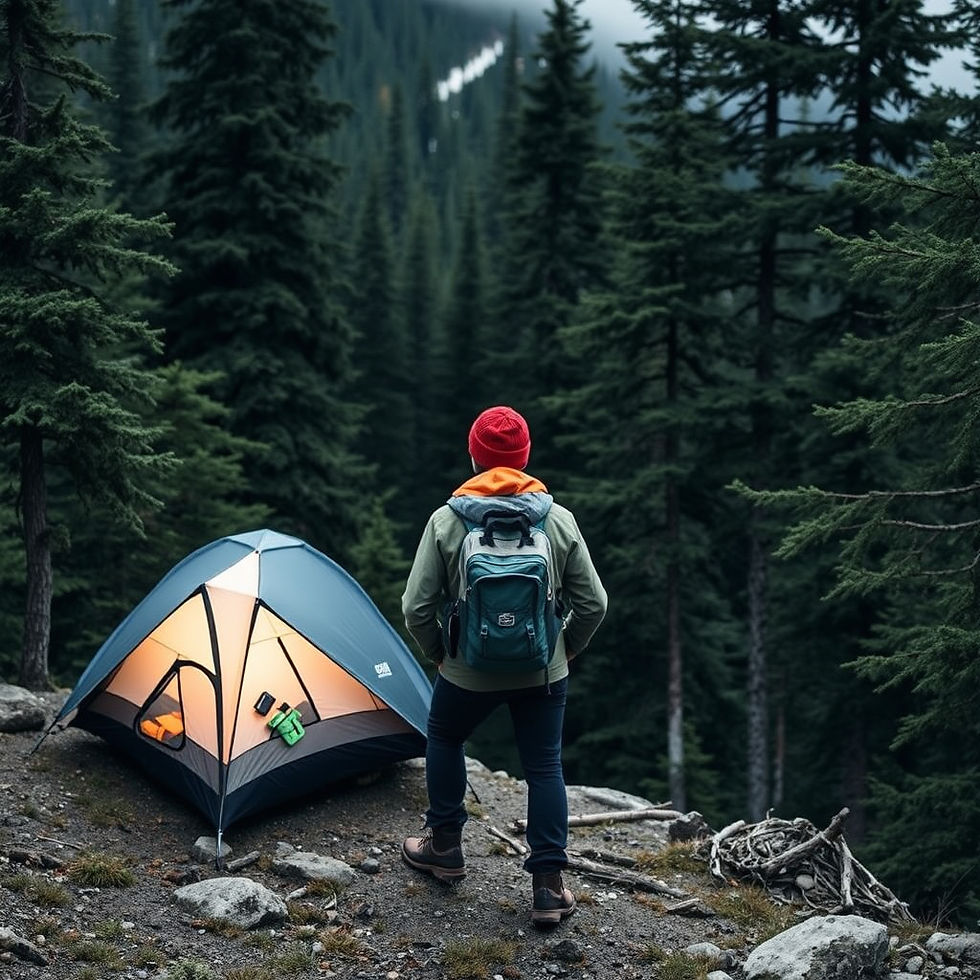
👉 Compare current Canadian pricing, build a hiking setup that fits the trails ahead, and focus on lightweight gear that improves safety without overpacking.
Last updated: May 2026 Content by TruAxis2026 Recommendations are based on research and practical travel use. This post may contain affiliate links. We may earn a commission at no extra cost to you.


Comments